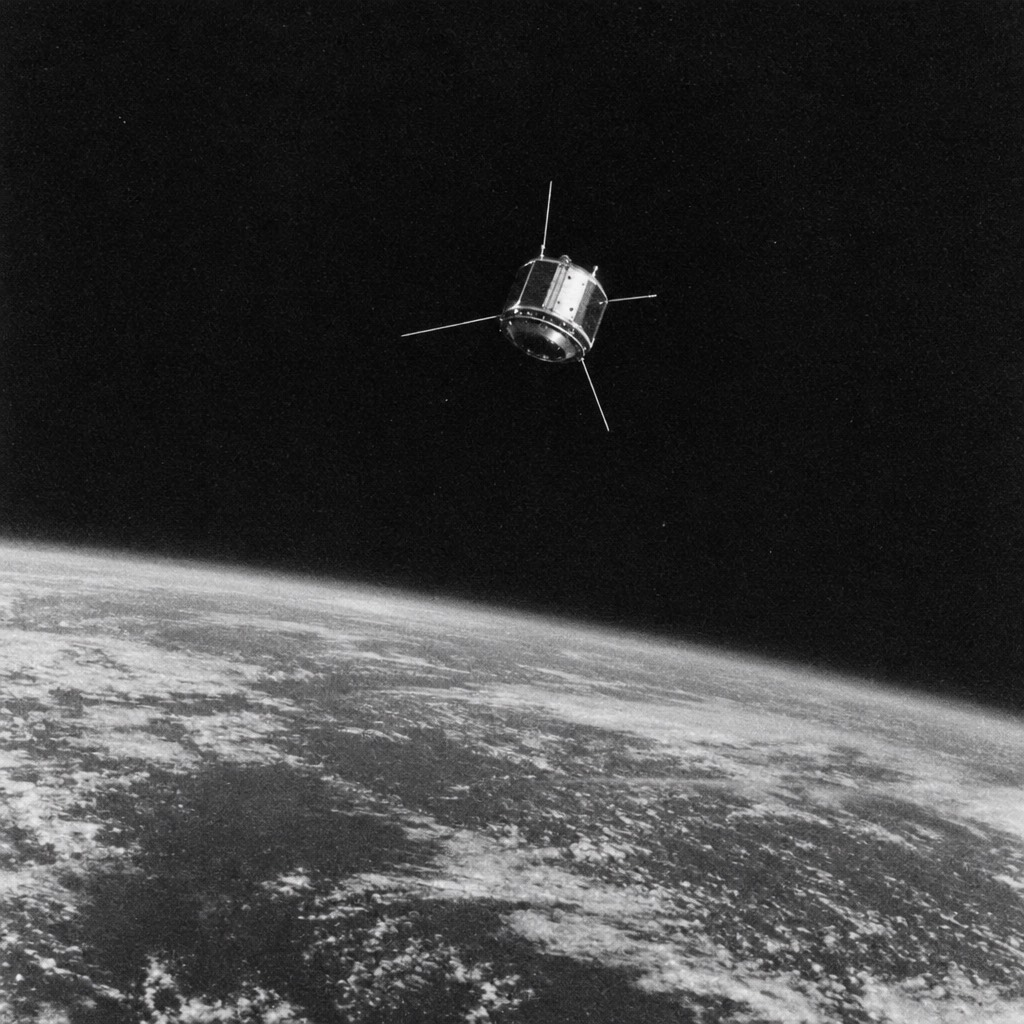
Offnominal Enterprises has signed a partnership with an orbital logistics company that extends the reach of our serviceable spacecraft platforms. Under the agreement, our partner will operate propellant depots that our servicing vehicles can use to refuel on orbit, which lets them travel farther and stay on station longer.
What servicing means here
Our Orbital Platforms program builds spacecraft buses designed to be maintained in space. Instead of retiring a satellite when it runs low on propellant or a component wears out, a servicing vehicle can dock with it, top up its tanks, or swap out a module.
The limit has always been range. A servicing vehicle carries its own propellant, and every orbit change spends some of it. Past a certain distance, the trip costs more than the repair is worth.
How the partnership helps
The partner's depots change that math. A servicing vehicle can stop at a depot, refuel, and continue to a client in a higher or more distant orbit. The same vehicle can then return, refuel again, and move on to the next job.
For satellite operators, that means:
- Servicing becomes practical for spacecraft in higher orbits, not only low Earth orbit
- Missions can be planned as a sequence of visits instead of a single trip
- Older satellites can be extended rather than replaced, which reduces launch demand and debris
First steps
The first joint mission will demonstrate a depot stop and a client docking in the same flight. Engineering teams from both companies are now working through interface standards so that docking adapters, propellant couplings, and data links are compatible across both fleets.
Those standards will be published openly. A servicing network only works if many operators can use it, and we would rather help set a common interface early than build a closed system that has to be retrofitted later.
Serviceable spacecraft are built for long missions. This partnership is about making those missions longer still.